I call it the night box. Surely you will. The night box, a present that arrives without sender. Inside is a small jar. Unscrewing the lid no hint of smell no mustiness. Liquid‑dark, paint grapheme black pours through the canvas. The dream announcing its title as it ends.
How many dreams title themselves? That’s why I’m writing this down, and to express how two hands can cup and gather the nothingness.
“This” is a word that says too much, contextualizing existence with its embedded “is,” inferred “that.” Hang with the blackness. With me, staring into the mirror into the center of my pupils for as long as I can stand. Still available, this heart of poetic psychology.
The unutterable otherness of ourselves: what looks is not what looks back.
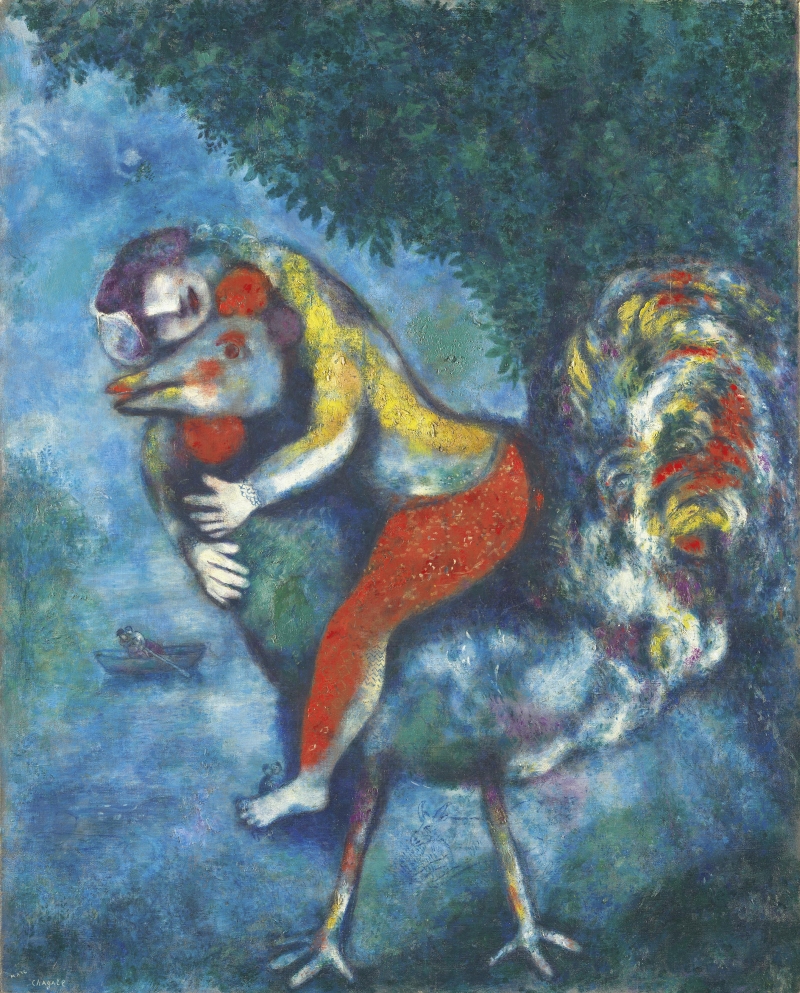
Wiki Commons
Nor a door left ajar but the whole night sky! Awareness as stars, enfolded, layered. Textures of space felt as presence. This phenomena pertains to ma (betweenness, a psychopoetic space or interval) in Japanese. A night box notion.
To hold and flow. Imagine the space between two sacred pillars, placed since ancient times on either side of the altar of the shrine. Home of kami, itself a personification of local nature, local natural forms. The immense tree arching over the temple; sacredness too obvious for words; a silently flowing fountainhead; blue mineralized water pure, upwelling from volcanic depths. These precincts. The between is the stronger force. Almost-before touches almost-after-now; sacred space creates density, given without a sender.
Wood, water, earth, fire, sky. The “god” of the shrine is minor, vulnerable, and takes nourishment from our song and dance. ma isn’t a principle; it doesn’t become. ma either is or is not; quantification and measure aren’t part of its story.
There is hope in the space-between who you are; everything yet to be seen is embracing.
Unreachable space reaches, if you’ll allow the paradoxical poetic notion. A night alive breathes in rhythms of centuries.
Look in vain for the light but it comes to you in transit from another realm; these words shape the dream. And the poem brings the form of transmission itself as a third world. Even with the bloodshed of our race and dances of dismemberment.
Michael Levin hints that mind in the space between cells embodies a sense of pre‑formed pattern; seen too in the unevenness of primes; the imbalance of bipedal walking, each step uncertain as childhood; that shift from imbalance to balance as we fall for a moment through empty space.
Forthrightly, face to face, eyes to see oneself reflected through the eyes of a lover; ears to hear all around, and hands to gather.
To weave superdark infinite strands. Pan-dora then. What is left has never left; the open jar. And younger sister Alice urges, “Drink.”
night cicada
our skeletons merge in a river
of song
— RG
Comments are welcome at The First Book (my Substack). If you value this work, support it by becoming a paid subscriber, or donate to Heliosparrow.